Mapping the Horizon: The Art of Surveying
In a realm where land along with property construction continue to influence our neighborhoods, the role of a land surveyor has not been more important. Such skilled experts provide essential assistance that help ensure the correctness and validity of property lines, paving the way for effective building projects and property deals. From housing projects to large business initiatives, surveyors play a critical part in determining property boundaries, assessing land features, and ensuring compliance with regulations.
Grasping what a surveyor performs and the different types of surveyors available can greatly benefit anyone involved in real estate or construction. Regardless of whether you are a homeowner looking to build your ideal house, a developer embarking on a new venture, or just interested about the details of land surveying, this comprehensive guide will provide you with valuable insights. We will explore the top reasons to hire a professional surveyor, delve into the tools and technologies they use, and talk about the common mistakes to avoid when selecting the right surveyor for your particular requirements.
Grasping the Importance of a Land Surveyor
Surveyors play a key role in various aspects of real estate and property development, providing accurate measurements and evaluations of specific areas. They are tasked with determining property boundaries, mapping lands, and supplying essential data for construction and development projects. Their skills is commonly required for adhering to regulations, obtaining permits, and facilitating property transactions, making them critical in the real estate process.
In also to boundary determinations, surveyors also conduct assessments that help measure the suitability of land for designated uses. This includes environmental surveys, topographic mapping, and geomatics services that employ advanced technology to create precise digital representations of the surveyed areas. By gathering and analyzing data, surveyors contribute crucial information for planning and executing construction projects, helping architects and engineers design within accepted limits and standards.
The profession of surveying incorporates various specialties, including land surveying, building surveying, and quantity surveying. Each type has its distinct focus, whether it's evaluating land for sale, inspecting building conditions, or managing project costs. Recognizing these distinctions allows clients to engage the right type of surveyor for their particular needs, ensuring that all development projects are approached with the knowledge required for success.
Main Benefits of Hiring a Qualified Surveyor
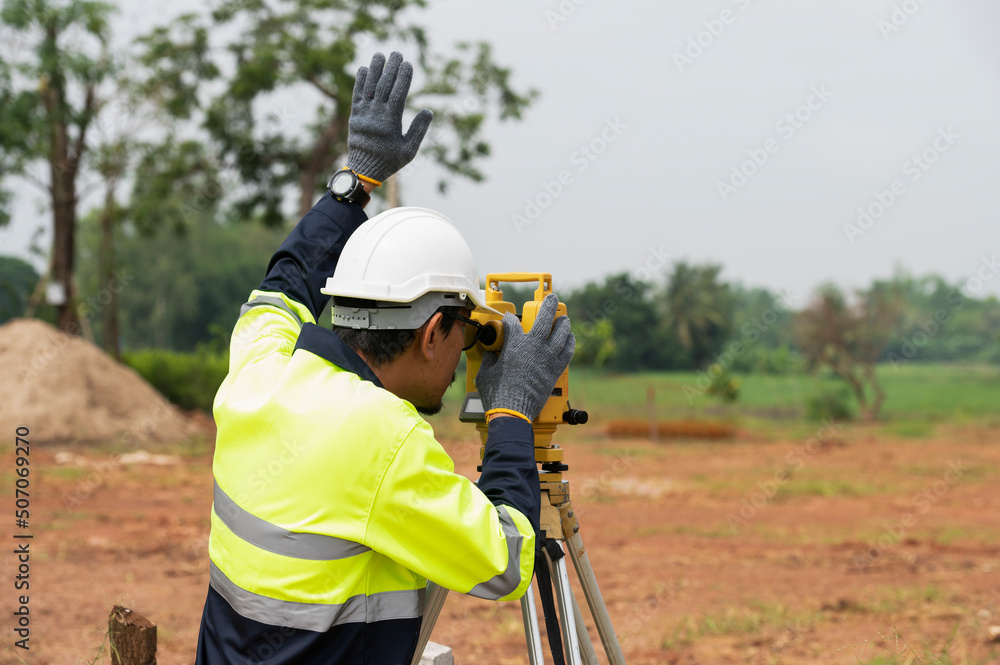
Utilizing a certified surveyor offers a multitude of perks, notably in the field of real estate construction and infrastructure. One of the primary advantages is their skill in accurately evaluating land and property boundaries. https://breareybuildingexperts.com/ helps to avoid conflicts with neighbors and ensures adherence with local zoning laws and regulations. A skilled surveyor can identify any encroachments or boundary problems, providing peace of mind for property owners and developers alike.
A noteworthy benefit is the survey tools and methods utilized by expert surveyors. Current surveyors are equipped with state-of-the-art tools such as GPS, laser scanning, and drone technology. These tools not only improve accuracy but also accelerate the surveying procedure, making it more efficient. By utilizing these technologies, professional surveyors are able to deliver comprehensive reports and diagrams that are crucial for planning and carrying out construction projects.
Finally, employing a professional surveyor can eventually reduce time and money. Their detailed assessments and reports prevent costly errors during the planning and construction phases. Moreover, the insights provided by surveyors can inform better decision-making, ensuring that the project adheres to budget and timelines. In conclusion, the expertise, technology, and financial benefits of hiring a qualified surveyor are invaluable for any property-related project.
Deciding the Right Surveyor for Your Undertaking
Identifying the appropriate surveyor for your undertaking is crucial to make sure that your needs are met effectively. It's vital to identify the particular type of surveying you want, whether it’s building surveying, or an alternative specialty. Start by researching local surveyors who have background related to your project type, and check their credentials to make sure they are appropriately licensed. Look for professionals who have a strong reputation and favorable reviews from previous clients, as this can be a good indicator of their reliability and level of work.
Once you have a list of candidate surveyors, set up interviews or meetings to talk about your project in depth. During these conversations, question about their past experience with similar projects, their strategy to troubleshooting challenges, and the tools they employ. This will offer clarity into their expertise and ability to address your exact requirements. Additionally, it is prudent to ask about deadlines and capacity, as you want to make sure they can meet your deadlines.
Finally, consider the cost of their services but remember that the cheapest option may not always be the best one. Obtain itemized quotes that detail the services included and contrast them against the value offered. Don't be afraid to request references and contact with those clients to gain a clearer picture of their contentment with the surveyor's work. Making an educated decision will assist you choose a surveyor who not only fulfills your project's needs but also contributes value to your entire experience.